AI driven antibody sequence generation
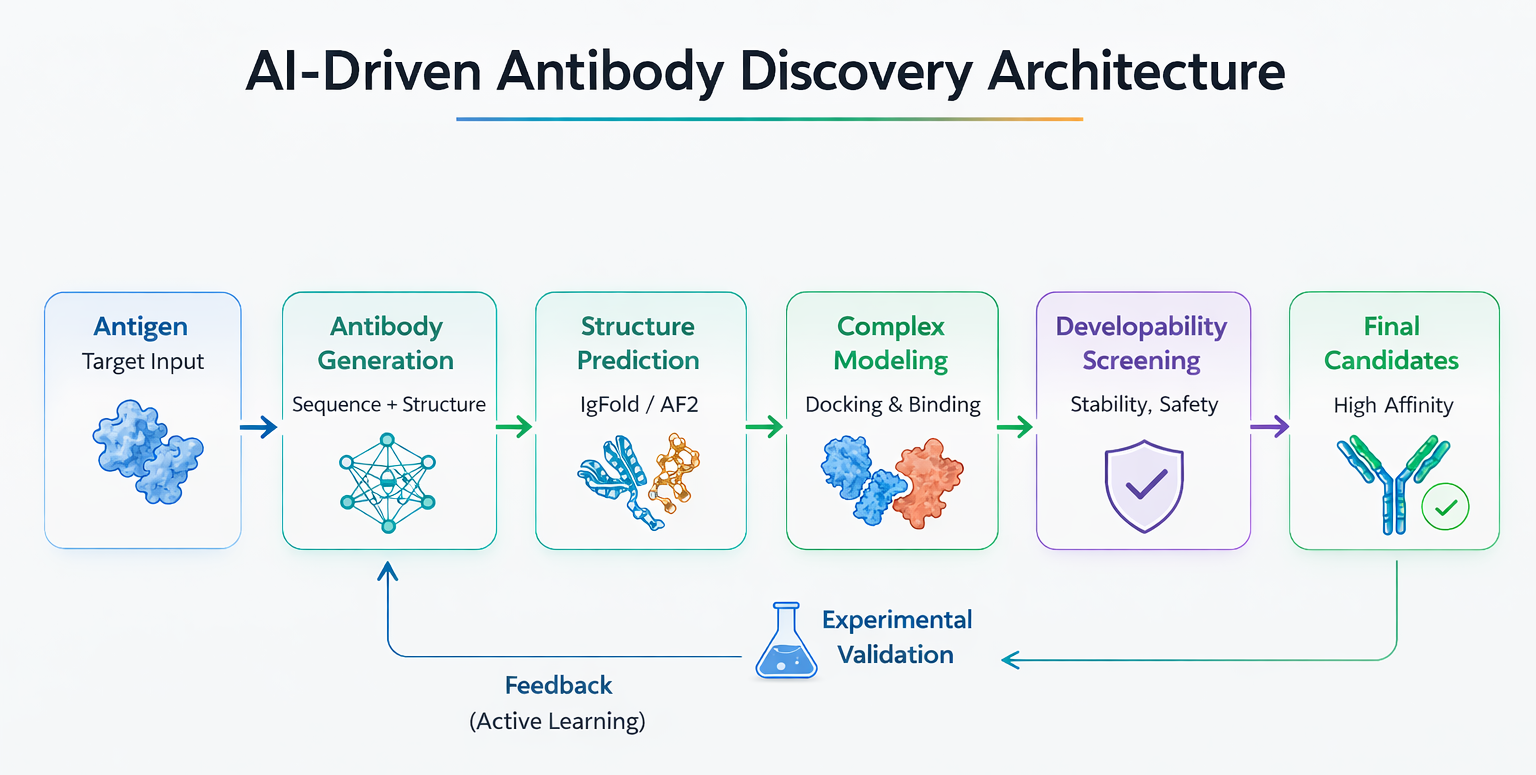
Developed an AI driven pipeline for antibody sequence generation, leveraging deep learning and generative models trained on large scale OAS & SAbDab antibody datasets. Integrated with immunogenicity detection, Ab-epitope docking and developability assessment to design high affinity, developable antibodies with therapeutic potential.
AntiFold | AbLang | diffAb | BioPhi | Humanization | Immunogenicity | Developability
Codon optimization
Developed a codon optimization workflow with multi stage optimization, integrating optimized sequence generation using CodonTransformer fine tuned on lab tested sequences and a multi objective optimization step to further optimize and rank the generated sequences using metrics like CAI, GC%, minimum free energy (mRNA), restriction enzyme site constraints among few others.
CodonTransformer | LLM fine tuning | Multi objective optimization
Knowledge Graph
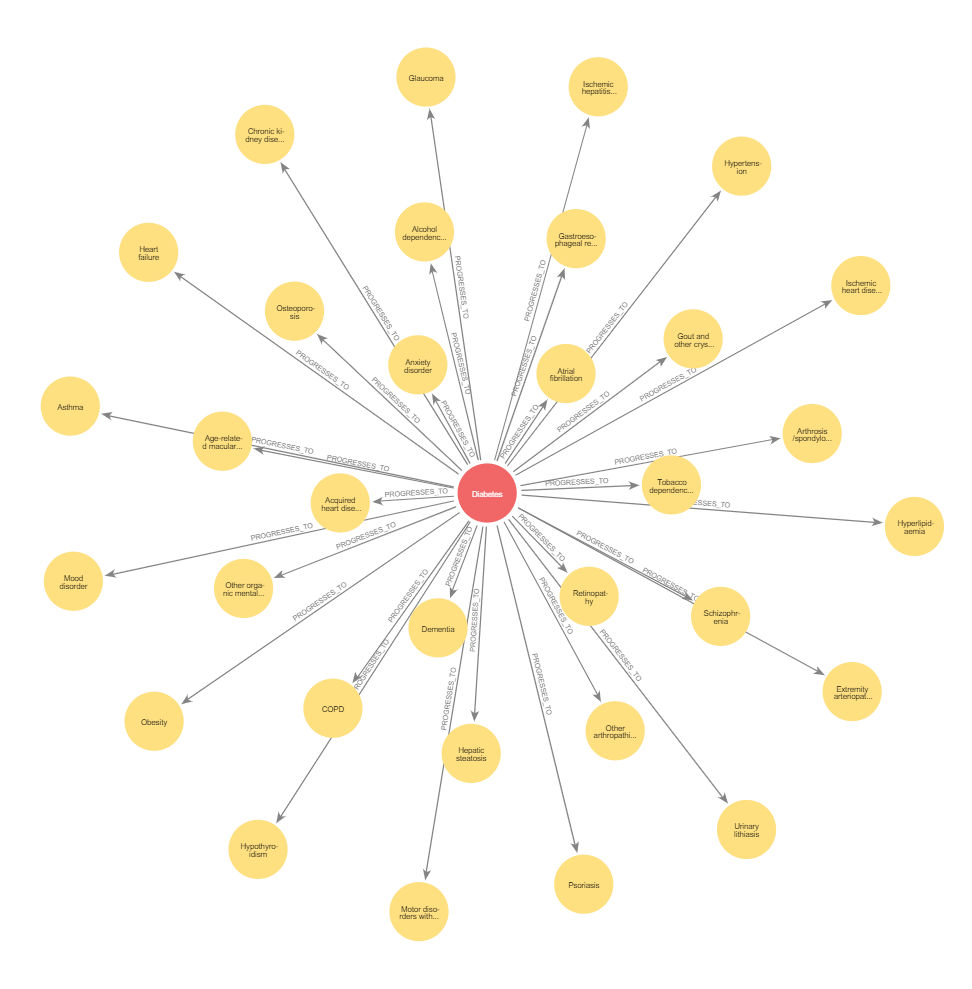
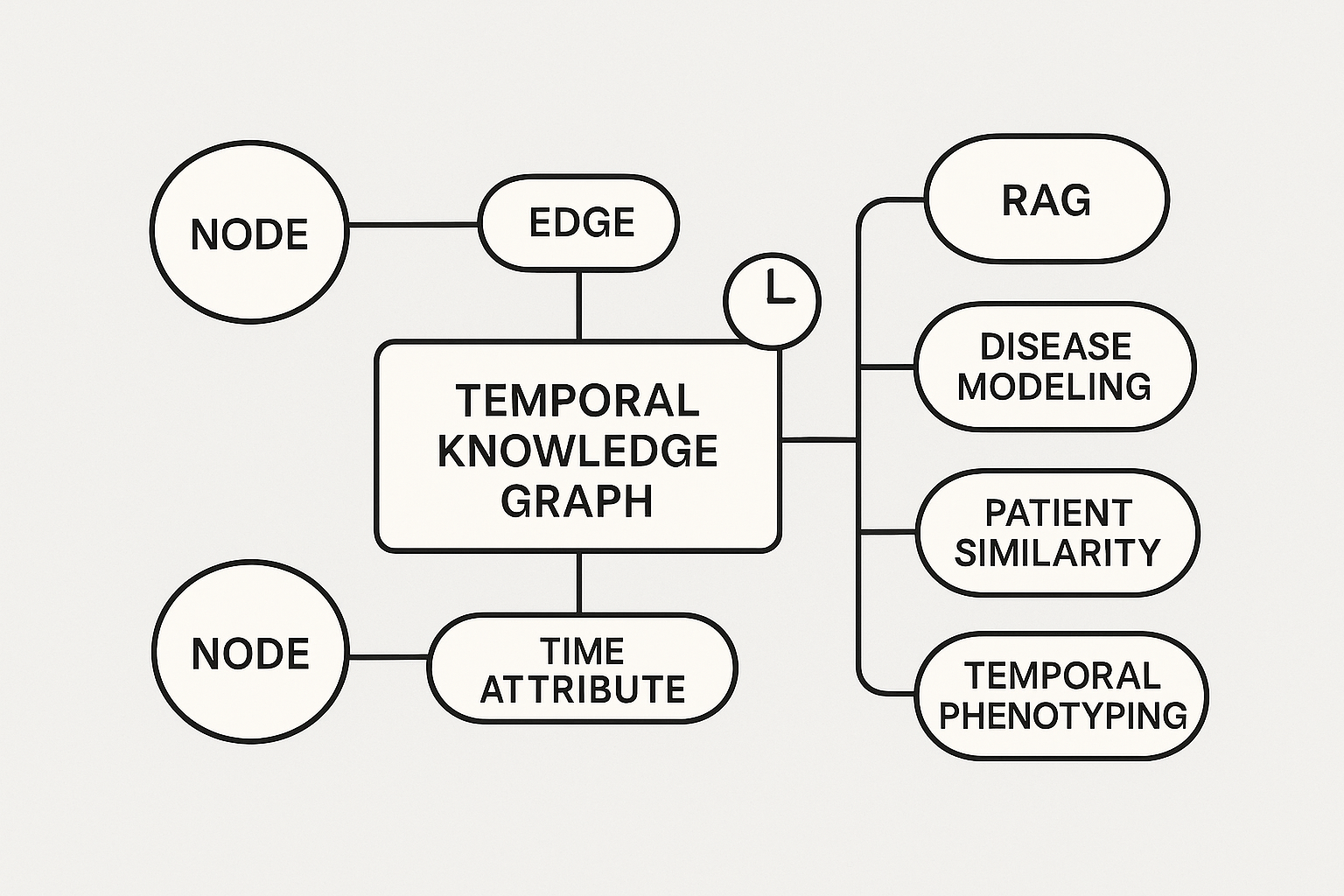
Built a KG with open source biological/Real World/Clinical data, harmonized with controlled vocabularies for each entity. Application included drug repurposing, target identification, safety assessment for toxicity and organ wise stratification, reducing months of work to weeks
Neo4j | Link prediction | Node classification | Community Detection
Network analysis - a systems approach for target identification and prioritization
1. High throughput drug combination (synergy) assessment using network proximity analysis
2. Network vulnerability analysis for target prioritization
Network proximity | Network attributes | STRING
Automated QSPR model building for property prediction
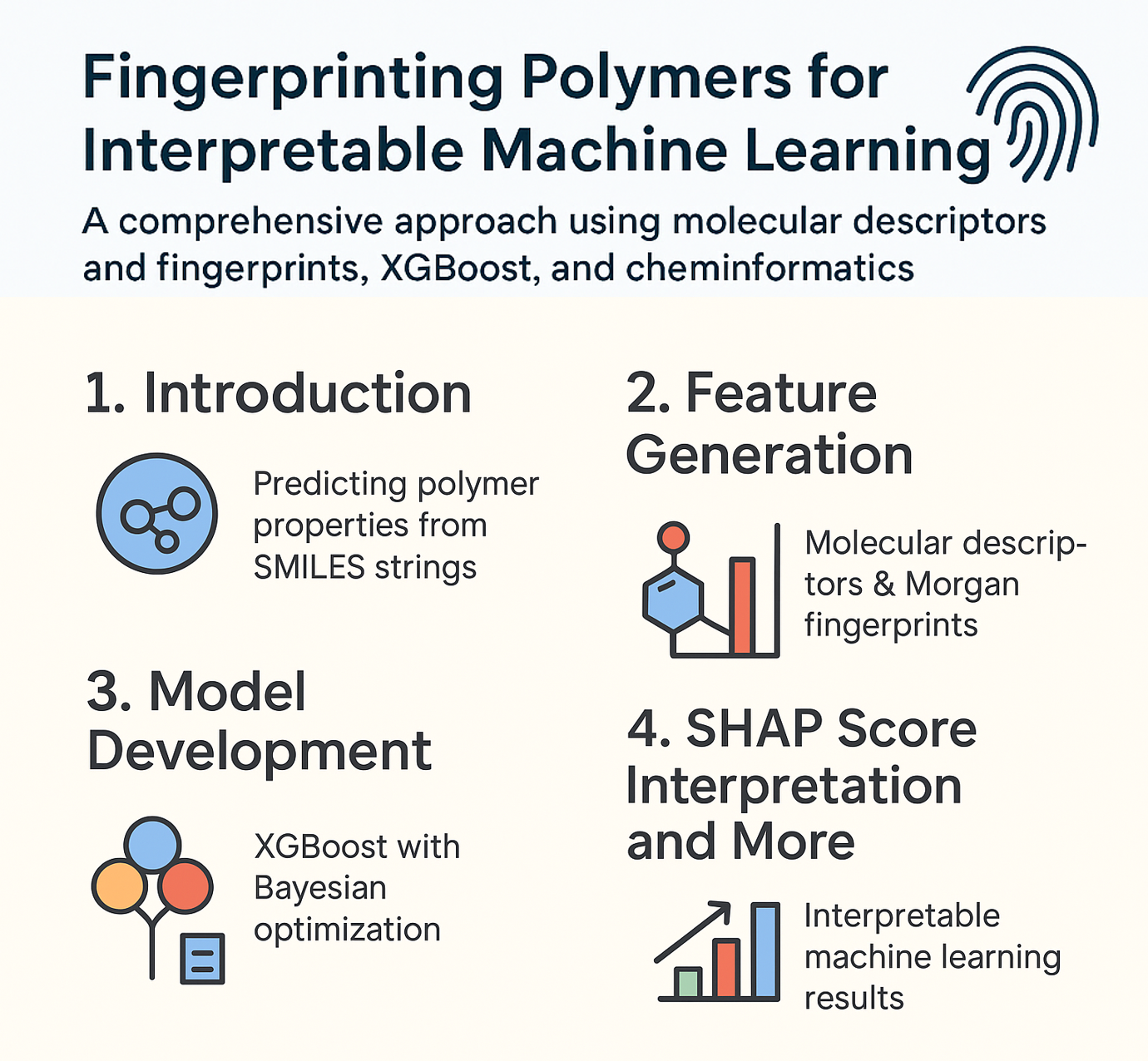
Developed an automated ML pipeline to build Quantitative Structure-Property Relationship (QSPR) model for drug property prediction, that helped reducing dependency on data scientist for model building and increased capabilities across departments.
RDKit | Morgan fingerprint | Optuna - Bayesian Optimization
Machine Learning driven biomarker identification
Developed a computational pipeline for automated biomarker identification using TCGA database, by training classical ML models using RNA seq data, to identify diagnostic and prognostic signatures in BRCA, LIHC, LUAD and PRAD. Enabling faster patient stratification for precision medicine applications.
DEG analysis | WCGNA | Applied ML | SHAP | Kaplan Meier
Identifying hepatotoxic signatures and analysing their reversal in a recovery state through DEG and pathway enrichment analysis
Used RNA seq data acquired from primary human hepatocytes for normal, hepatotoxic (from 14 different drugs) and recovery (due a discovered drug which helps in reducing liver stress) states.
All the samples went through the same DEG and pathway enrichment analysis, picking genes with significantly regulated expression and assessing directionality of pathways associated with them.
This helped us in pointing out how the drug helped in the recovery through monitorinig the pathways that have fliped their regulation, also which class of drug toxicity (different MOA used by different classes of drugs causes toxicity differently) dose the recovery drug helps treating better.
RNA Seq | DEG analysis | GSEA | GSVA
GWAS - WGS
1. GenomeIndia cohort: Performed quality control and variant association analysis followed by cross population studies.
2. AllOfUs cohort: Developed a Cromwell (WDL) pipeline to scale up association studies across 3000+ traits using EHRs to identify statistically significant biomarkers. Association statistics for the study included dosage sensitivity and gene burden test.
Association statistics | Dosage sensitivity | Burden test
In silico KnockOut/perturbation
Developed a high throughput Boolean model simulation pipeline for in silico gene knockout/perturbation experiments, using RNA seq data to initialize the system states supporting data-driven therapeutics which enhances precision in target prioritization.
Attractors | Trap spaces | Logical gates | KEGG
Structure based druggability prediction
Developed a structure based druggability prediction pipeline leveraging parallel processing to accelerate searches across a database of known binding pockets, enabling rapid identification of similar sites to assess target protein druggability.
Graph Analytics | Structural bioinformatics | Multiprocessing
Data driven spectral deconvolution and compound detection
Developed an automated compound identification pipeline leveraging spectral data, matched against a processed in-house reference compound database.
Spectral data processing | Automation